Sportsbook Software Providers in 2026: Platform Comparison

The sports betting market is rapidly growing, with a CAGR of 11.7% by 2030. A sportsbook platform relies on live betting, odds accuracy, latency, and risk management, making the choice of reliable sportsbook software providers crucial for stability during peak events.
A simple ranking is not enough to choose a sportsbook platform provider. Turnkey, white-label, and custom systems vary in how they support licensing and compliance, handle live betting traffic, and maintain scalability and reliability under real-world conditions.
This analysis helps compare sportsbook platform providers based on clear criteria, including platform features, integrations, pricing models and launch timelines, while also considering live betting risks and regulatory restrictions in B2B and regulated markets.
What is a sportsbook software provider?
Acting as the heartbeat of the operation, the betting technology vendor fuels both retail and online wagering businesses. The companies build evolved operational systems, where a betting manager can carry out betting operations, manipulate odds, track wagers and authorize secure financial transactions.
Rather than taking a cookie-cutter approach, field-leading online sportsbook software providers engineer precision-crafted sports betting app development solutions that adapt to shifting market and regulatory complexities.
With a mix of fast streams of data, risk control systems and AI analytics algorithms, their system puts all together to have smooth and interactive betting operations.
Beyond technical infrastructure, the providers allow sportsbooks to scale, adapt to changing regulations, and sustain seamless operations across both pre-match and live markets. A good platform strikes a balance between operational efficiency, reliability, and responsiveness; this would be the backbone for a competitive business in sports betting.
Types of sportsbook platforms
The sportsbook technology offered by a sportsbook serves as the foundation upon which every player experience and process will be built. This ranges from pre-configured systems to completely customized solutions, which in turn define the possibilities and limitations of a sportsbook business.

Turnkey sportsbook platforms
Turnkey sportsbook platforms are a pre-built software package that includes payment systems and a managed back office that supports thousands of concurrent users.
This is ideal for market participants that aim to enter the market within a budget of $50K–$150K. The level of customization is very limited, and businesses are required to operate within the framework of existing features and branding that are already in place.
White-label sportsbook solutions
White label solutions are situated between turnkey solutions and bespoke solutions. The operator will have an operational sportsbook solution with their brand, while the provider will be responsible for the infrastructure, license, and maintenance, with the ability to cater to 5,000 to 50,000 users.
The operator will be able to customize the solution to some extent, such as brand and marketing. Nonetheless, the technology partner for sportsbook operators will supply the main features.
Custom sportsbook platforms
With custom sportsbook platforms, businesses are able to have complete control over the design, features and integrations. They manage to scale easily, allowing for expansion into other markets as well as supporting 10+ betting verticals.
Although the development of custom sportsbook platforms takes time, costing between $150K-$500K, the independence and competitive advantage are worth the cost.
Core components of sportsbook software
Sportsbook software powers all wagers, pricing and compliance processes in real time. Awareness of its components clarifies how operators handle risk, traffic surges, and system stability.

Odds and pricing engines
The odds calculation and pricing engines process thousands of betting lines through their real-time processing capabilities. The system uses historical data together with statistical models and third-party company feeds that include Betradar and Stats Perform.
Еhe system plays a vital role in creating precise betting odds. The odds calculation engines for major events such as the Premier League and NBA playoffs update thousands of betting lines every second.
Risk management and trading tools
The tools used by sportsbook platform vendors for managing risk and trading are also useful in monitoring risks, adjusting odds, and managing large bets placed in sportsbooks. The proper execution of these tools enables organizations to meet their regional regulatory requirements like self-exclusion and betting limits.
Live betting infrastructure
Live betting infrastructure enables in-play markets which allow players to experience the excitement of wagering on current events. Platforms need to handle more than 1000 bets every second while maintaining a response time under 500 milliseconds to ensure they deliver precise and equitable betting odds.
The system achieves smooth bet execution during rapid events such as tennis matches and esports tournaments through its integration with real-time data feeds and video streams and event-tracking systems.
Player accounts and wallets
Player account systems handle registration, authentication, and identity verification, often integrating KYC and AML compliance checks. Wallets manage deposits, withdrawals, and internal transfers, supporting multiple currencies and payment providers like PayPal, Skrill, and Stripe.
Advanced systems allow operators to track balances, bonuses, and loyalty points for tens of thousands of users simultaneously, maintaining security without sacrificing speed.
Reporting and monitoring tools
Reporting and monitoring tools give real-time information on performance, risks, and users. Dashboards can monitor GGR, exposure, and betting trends. They can also send notifications to operators if unusual activity or problems occur. Predictive analysis can also be done, such as predicting high-traffic periods like sports events.
All these parts come together to create a fully integrated sportsbook system that is fast, secure, and intelligent. Combined effectively, these systems give operators full control over performance, risk exposure, and player engagement under heavy load.
How to evaluate sportsbook software providers
A competent betting engine operates maturely in many betting circumstances, consistently performs well under pressure, and has visible metrics for success. This part will concentrate on how the software functions in an actual setting rather than a fictitious one.

Odds accuracy and latency
The accuracy of odds calculation largely depends on the speed of updation as well as the validation process. The historical results of dynamic events are an accurate validation benchmark to measure the competence of odds calculation during volatile periods.
Real-time market performance
The measurement of live betting results depends on 3 factors: bet acceptance rates, processing speed and system performance during times of maximum traffic. The main metrics for assessment are the rate of bet rejections, the time needed to process each wager and the system availability during important events.
Scalability during peak events
Sports betting software vendors should point to previous events in which the system was able to cope with increased traffic many times in a matter of minutes without any interruptions.
Practical indicators of the required level of scalability include:
- System stability in the face of increased traffic 5x or 10x normal levels
- No need to close markets during peak moments
- Post-event reports or summaries of the event
Integrations and data feeds
Interfaces must facilitate modular integrations with a multitude of sources for the data, sources for the payment and sources regulated by the tools. The APIs would allow for easier entry into the market.
Operational reliability
Operational reliability involves live monitoring, guaranteeing uptimes of at least 99.9%, and prompt escalation of support. A technology that offers live monitoring information and proven real-world reliability reduces the risk involved with operation.
How to choose a sports betting software provider
This stage is not about system architecture or performance metrics; it’s about market readiness, content depth, and human expertise.
The worldwide market of sports staking shows continual expansion and is forecasted to reach $265.5 billion by 2034. That is why bookmakers have a distinct chance within the booming market and should select the right software properly prepared to capitalize on the business.

Target markets and regulations
Having experienced sportsbook infrastructure providers in the designated jurisdiction not only reduces the complexity of the operation but can also significantly ease the entry of the company due to configured workflows that are related to compliance.
Entering a new market, like the UK or Europe, or other newly regulated areas of operation requires a grasp of licensing, reporting, and local regulatory requirements.
Sports coverage and betting markets
The sports coverage that a sportsbook provides will determine its competitive strength against other sportsbooks which players assess. Evaluation should focus on both range and depth. What to check:
- Coverage of major global sports and leagues
- Support for regional and local competitions
- Availability of emerging markets such as esports and virtual sports
- Number of betting markets offered per event
The combination of wider coverage together with more extensive betting options results in higher customer retention rates and increased wagering activity.
Support and trading expertise
Qualified human expertise facilitates smooth operations under normal and abnormal circumstances. Teams of experienced traders and operational staff provide help in the event of unusual betting patterns, traffic, or regulatory environment.
Having access to a talented pool of B2B sportsbook software providers can prove to be a significant boon for new entrants or operators looking to venture into new and unfamiliar markets or sports. Expert support will help stabilize the operator and reduce exposure to risk during critical times.
How we evaluated sportsbook software providers
Our aim was to determine how the solutions function in real-world scenarios, how they support regulatory needs, and whether they can grow with the increasing needs of the operators.
The technical, operational and strategic components of the evaluation of the sportsbook software solutions were applied uniformly to all software solution providers.
There was a focus on transparency during the assessment process, documentation quality, and the capacity to provide evidence of past experience through examples or references.
The evaluation of sportsbook software vendors was conducted using the criteria outlined below:
 Experience operating in regulated target markets Stability and reliability during live and peak betting events Breadth of sports coverage and betting markets Integration flexibility with data feeds, payments, and compliance tools Strength of operational support and trading expertise
 The framework enables consistent evaluation while emphasising differences critical to long-term success.
List of sportsbook software providers in 2026
Founded: 2017
Headquarters: London, United Kingdom
Limeup never drops the ball, delivering valuable and resilient products for over 10 years. With a 95% client return rate, we produce highly configurable setups based on in-depth market research and business needs evaluation.

Limeup, considered the most responsible sports betting solution provider, covers the customer’s expectations for sportsbook construction via full-fledged system development and strong emphasis on branding and strategies with a high degree of individualization.
We line up a selection of sportsbook solutions, featuring these:
- Turnkey casino,
- Crypto casino,
- Turnkey sportsbook,
- Custom platforms and applications.

Why choose us:
Limeup copes with the heavy lifting of game and bet management systems, allowing operators to easily monitor odds, manage events, and track bets in real time. Their sturdy, scalable infrastructure guarantees that your sportsbook is always up to date, no matter how huge the game.
Select case studies:
- BingoBet’s new casino system can handle 10,000 users who can register 55% faster and spend 48% more time on the casino which features a modern design that works on different devices and supports six languages.
- S-Bet launched in 8 months as a scalable sports betting platform that provided live scores and wagering options and customized features for users located in the US and EU.
- More ventures in the project spotlight.

Aristocrat Interactive
Founded: 2024
Headquarters: Las Vegas, NV, USA
Aristocrat Interactive is shaking up the gaming industry with every sportsbook software solution that offers connected, immersive experiences. With a team of over 2,100 talented professionals spread across more than 10 countries, Aristocrat Interactive is on a mission to revolutionize online gaming and entertainment.
Key services: Content & aggregation, iGaming & sports, gaming systems, IGaming white-label, iLottery.
Why choose them:
Aristocrat Interactive aims to bring joy through play by creating uninterrupted immersive experiences that users can enjoy across various platforms throughout the world. Their advanced technological systems provide clients with access to dependable entertainment systems which enable them to maintain their market advantage.
Kambi
Founded: 2024
Headquarters: Triq in-Negozju, Malta
Kambi offers premium sports betting software solutions and gambling tools and implements dependable modern technologies, like AI. For now, the company has over 1,000 specialists on the crew, which, along with its unique work approach, makes it a prominent companion.
Key services: Turnkey sportsbook, oddsfeed+, managed trading, bet builder, esports.
Why choose them:
Kambi is a trusted partner for over 40 operators worldwide, presenting its business in Malta, Australia, the Philippines, Romania, Sweden, the UK, and the US. Within its 360° Sportsbook service, consumers may receive cost-effective models with vigorous functionality.
BR Softech

Founded: 2010
Headquarters: Jaipur, India
BR Softech has a crew of over 150 pros that ensures delivery on time, providing users with ongoing support 24/7. As a multi-award-winning agency, BR Softech supplies highly standard development items with unbreakable security and innovations as a core principle of their work approach.
Key services: HTML5, Hyper Casual, Web3, Blockchain, Poker, and Fantasy Sports.
Why choose them:
For over 12 years of experience on the market, these online sportsbook software providers have delivered 2586+ products. In terms of sportsbooks, BR Softech offers multi-platform software with advanced analytics, over 100 betting games, and other benefits.
Betfoc
Founded: 2013
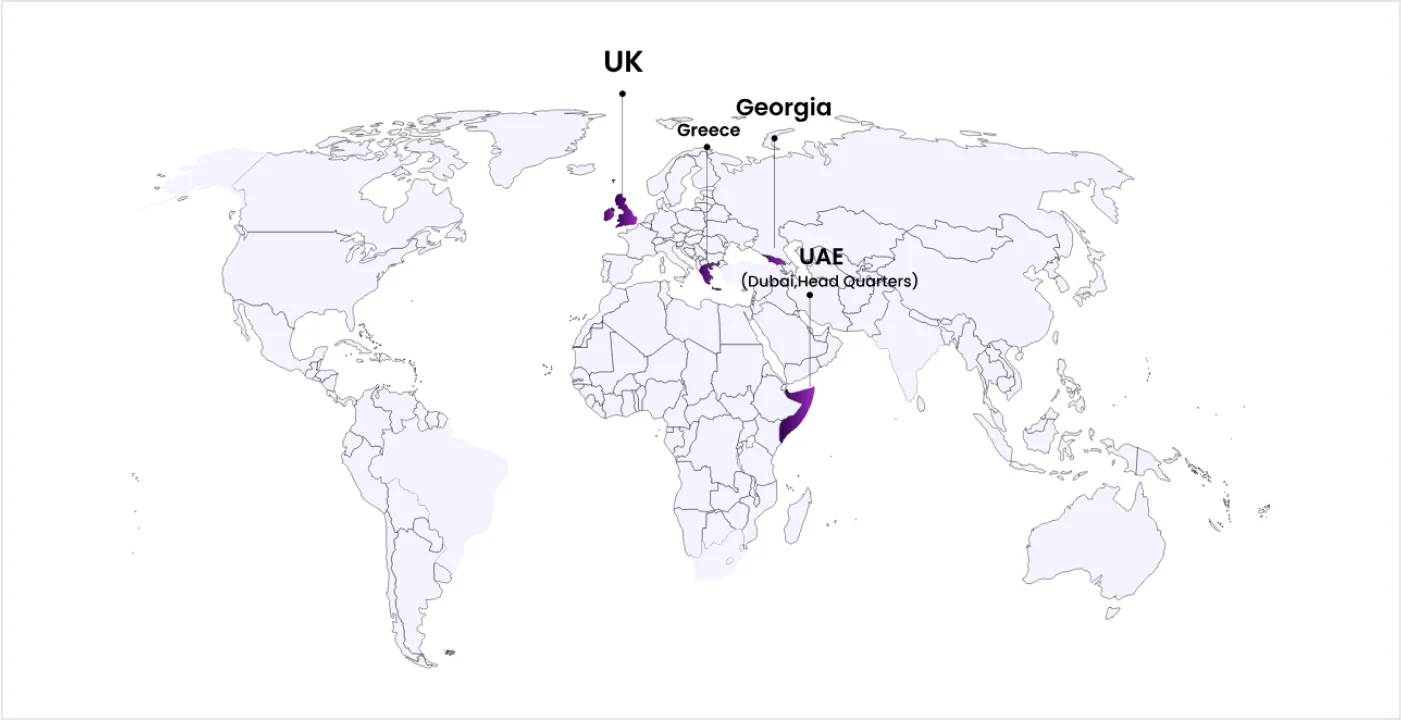
Headquarters: Dubai, UAE.
Powerful sportsbook software developers at Betfoc have implemented over 100 projects and won 5+ awards. Through a focus on perpetual innovation and breakthrough technology, they ensure their customers stay one step ahead in the cutthroat gaming world.
Key services: AI/ML tech, big data analytics, cybersecurity services, business intelligence, voice app development.
Why choose them:
Its portfolio already has over 50 happy stakeholders, and all of it is possible thanks to its agile process, 24/7 customer support, and accurate QA testing. Within sportsbook development, clients can receive a team of dedicated maestros who will create a network with the required features.
GammaStack

Founded: 2012
Headquarters: Indore, India
Next online sportsbook software provider on our list, GammaStack, yields a broad range of betting development services, giving you everything under the sun. With a squad of 500+ specialists and more than 13 years of experience in the field, the company holds a strong hand, giving it a solid advantage in the industry.
Key services: iGaming, fantasy sports, custom software, self-storage management software.
Why choose them:
GammaStack provides complete sportsbook solutions which include customizable white-label software, auditing services, software customization and third-party system connections to support sports betting operations in 45 different countries.
Playtech
Founded: 1999
Headquarters: Tartu, Estonia
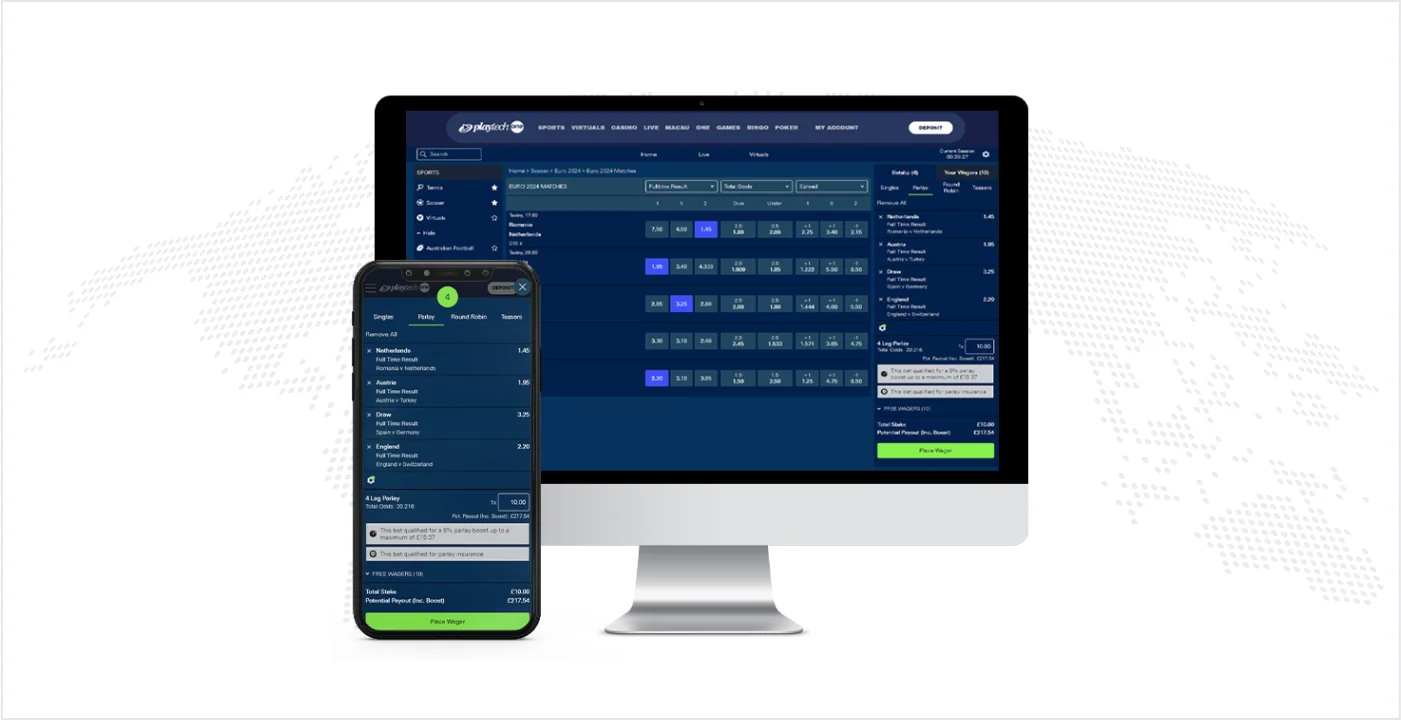
Playtech has a sharp mind in the industry of different types — it delivers outstanding sports games, has 180 global licenses, and offices in 26 countries. They offer an online sportsbook that is highly modular, enables a straightforward user experience with a multiple-platform approach, and is integrable with accounting, payment systems, etc.
Key services: Software for online casinos, online poker rooms, online bingo games, online sports betting, scratch games, mobile gaming, live dealer games.
Why choose them:
Any reviewer would acknowledge Playtech’s capacity to provide its customers with a flawless, all-inclusive service. The online betting software providers have over 600 employees and are among the leaders of the iGaming industry. Along with online gaming products, the delivered platforms may be implemented through all the available devices.
SOFTSWISS

Founded: 2008
Headquarters: Gzira, Malta
SOFTSWISS specializes in international licenses and plethora of national permits and certifications. Having a broad team of 1,400 employees, the brand is one of the leaders in this industry, with over 800 websites using its software.
Key services: Game aggregator, lotto software, managed services, sportsbook and casino software, retail betting solution.
Why choose them:
In terms of a sportsbook, this technology partner for sportsbook operators has a betting portal so that clients have ability to integrate this feature into their iGaming website or application. The sportsbook is feature-rich, offering, but not limited to, bonuses like cashback, free spots, 200+ available sports, a high-security system, and more.
EveryMatrix
Founded: 2008
Headquarters: Tas-Sliema, Malta
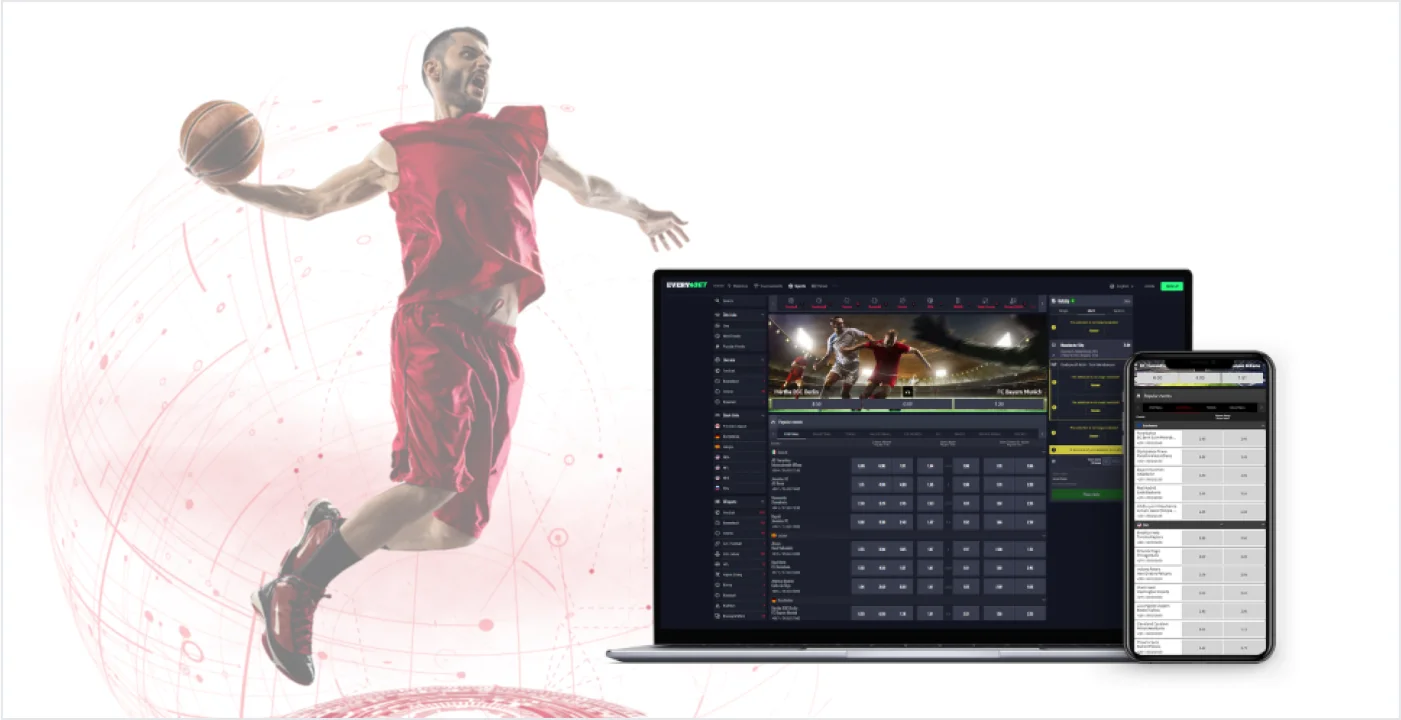
EveryMatrix presents services for numerous iGaming systems that are feature-packed, API-optimized, tweaked and tuned to perform according to the end-users’ needs. The sportsbook betting software provider proposes premium offerings that are represented by over 110,000 events each month and 125+ sports to choose from.
Key services: B2B software for iGaming, casino, sports, payments, affiliates.
Why choose them:
The brand offers unlimited features within one sportsbook website, covering personalization, high profitability, user engagement within the bonus system, and increased performance needs. Alongside impressive elements, the product has a convenient management system, which makes it easier for operators to control it.
Innosoft Group
Founded: 2013
Headquarters: Indore, India
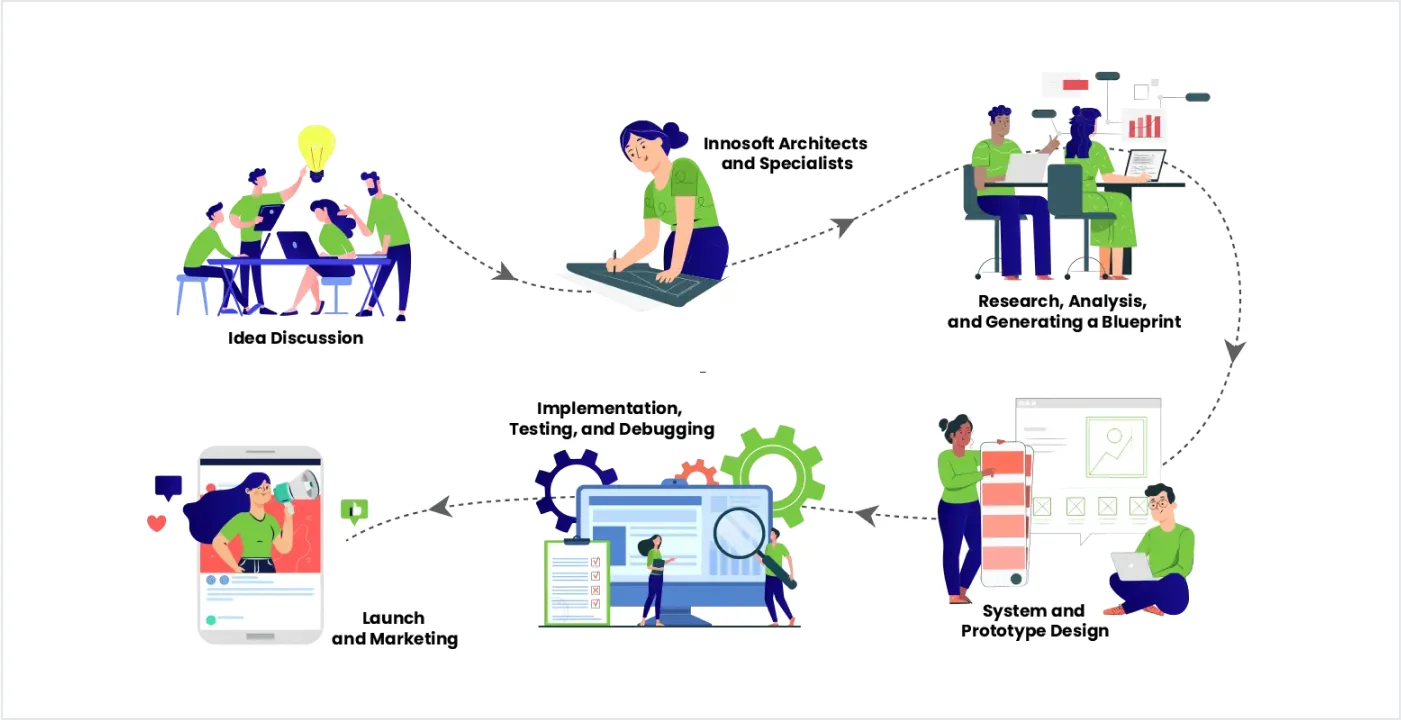
The sports betting technology of Innosoft Group enables operators to provide live betting, multiple betting options, and an uninterrupted user experience through its combination of real-time updates, expandable system capacity and customizable features.
Key services: AI development, AR/VR development, BI & Big Data Consulting & SI, blockchain, business consulting.
Why choose them:
Each of the features works towards increasing the users’ engagement, providing them with possibilities to bet on live streams, over 3 options for bets, sharing them within social media. Also, this sportsbook platform vendor also takes advantage of risk management and security, ensuring that customers receive the latest updates and can fully protect their data.
NuxGame

Founded: 2018
Headquarters: Willemstad, Curacao
NuxGame is among the leaders in the sports betting industry, offering a wide range of services, from online casinos to sportsbooks and crypto casinos. The sportsbook software development team has been delivering iGaming software since inception, and for now, it holds an ace up its sleeve with a formidable portfolio and strong ties to game distributors.
Key services: Casino API, turnkey, legal services, AML & KYC.
Why choose them:
Relating to the sportsbook service, NuxGame packs a punch with a full suite of tools, including some essentials like event statistics, 370,000+ monthly events, third-party integrations, reporting tools, and more.
Arland
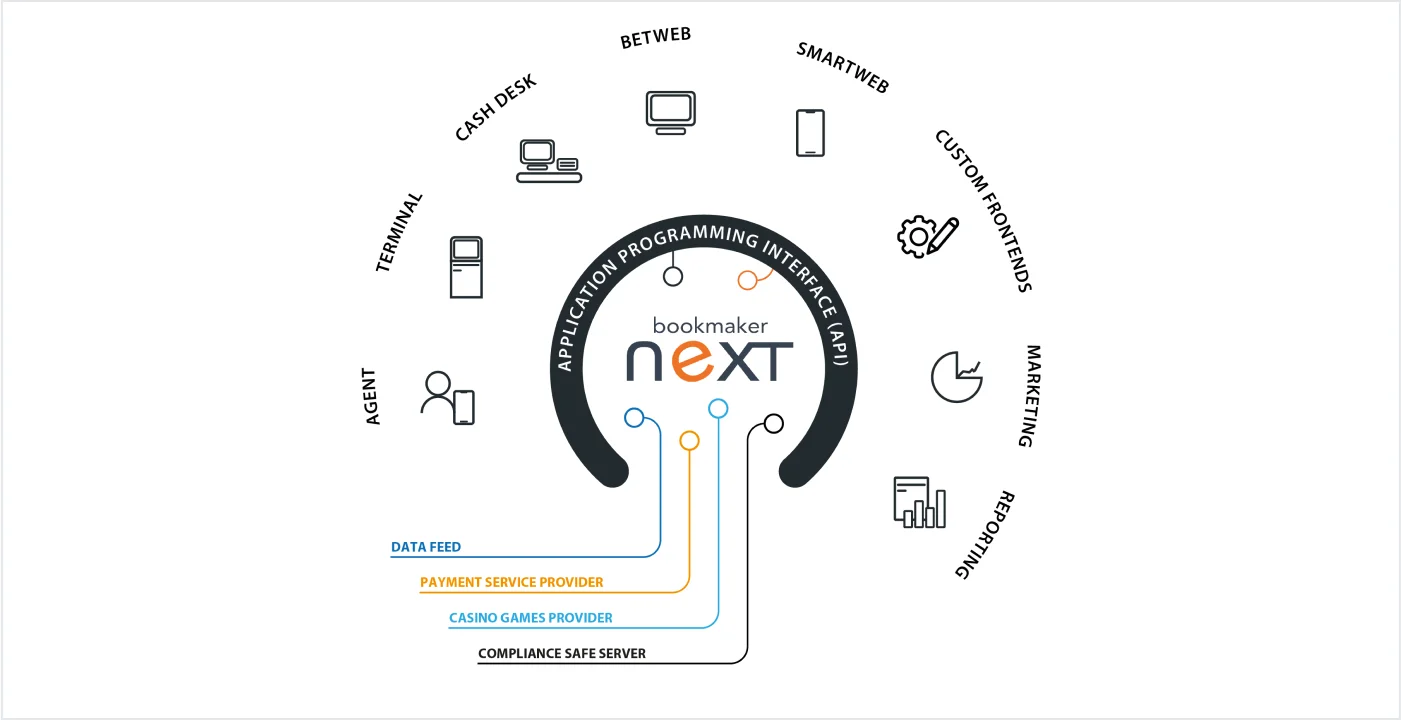
Founded: 1997
Headquarters: Graz, Austria
Arland offers various opportunities for businesses within the sportsbook technology solutions it delivers according to flexibility and innovative solutions. Companies that partner with Arland may also receive marketing services according to their needs.
Key services: iGaming, consulting, marketing, business services.
Why choose them:
With high-performance APIs and instruments, Arland distributes exceptional gaming experiences for players, ensuring they are engaged with the bonus systems, reporting tools, etc. An all-in-one system allows businesses to reach pre- and live matches, cashout, and other features within a robust back-end and flexible, user-friendly front-end products.
NSoft
Founded: 2008
Headquarters: Mostar, Bosnia and Herzegovina
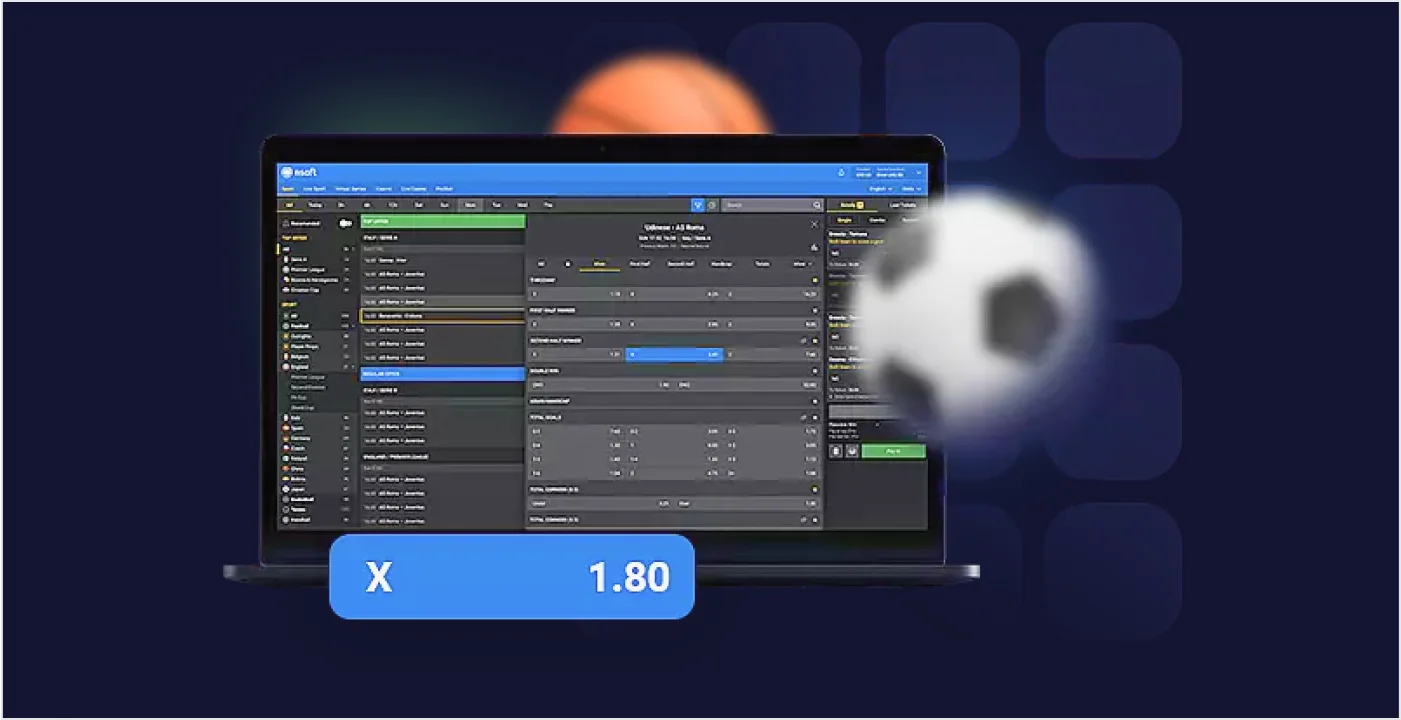
Covering 40+ live sports, 11 esports categories, and 800+ market options, NSoft’s platform supports close to 900,000 events annually, giving operators worldwide the scale and flexibility to grow across markets.
Key services: Business support, development of iGaming platforms.
Why choose them:
These sportsbook technology partners also propose a Turnkey suite that stands for a revenue share model. It supports both terminals and web and mobile devices, multi-language, and other premium traits. As a result, clients receive a clear-cut network with live games, streams, promo content, and more.
BetConstruct

Founded: 2003
Headquarters: London, England
BetConstruct has over 15 licenses and delivers scalable offerings for businesses worldwide. When it comes to the sportsbook programs, the software vendor for sportsbook operators brings an incredibly feature-rich solution that covers over ten operators’ needs, from 120+ sport types to risk management tools and more.
Key services: Online and retail sportsbook, classic and live casino, poker, skill games, social gaming.
Why choose them:
BetConstruct enables operators to put their stamp on the interface, reach in-depth analysis, and receive powerful management tools. It grants them full reign over settings to cater to player demands.
Crustlab

Founded: 2017
Headquarters: Krakow, Poland
Crustlab is also called the main international software for gaming suppliers. After its inception, Crustlab has delivered superb sportsbook software development services to a number of betting firms. Crustlab is one of the most highly efficient and realistic sportsbook organizations, a powerful tool in comparison with other similar enterprises in the industry.
Key services: Casino mobile development, sportsbook web development, design, staff augmentation.
Why choose them:
With a broad range of niches covered every opportunity is explored, leaving no stone unturned. The company employs over 50 domain specialists who use their extensive knowledge to build and implement state-of-the-art software for a range of industry verticals.
Sportsbook software pricing models
Live betting software pricing is determined based on many factors beyond the initial cost of the system itself. This is due to the fact that different sportsbook brands, models and data dependencies have a significant impact on profitability.
Therefore, having a clear breakdown of costs ensures that market participants can easily predict their expenses and maintain profitability as the system grows.

Revenue share vs fixed fees
Revenue share and flat fees are the most commonly used pricing models in use today. Both of these pricing models impact businesses differently. New sportsbooks need flexibility, while existing sportsbooks need profitability.
| Pricing model | Typical range | Key considerations |
| Revenue Share | 5–20% of GGR or NGR |
|
| Fixed Fees | $10,000–$50,000+/month |
|
Profit share models relieve initial cost pressure, but as betting volumes grow, they can be costly. As your operations grow, fixed fee models give you greater control over your profitability.
Data feeds and trading costs
Data feeds and trading services are a significant part of the sportsbook’s recurring costs and are usually priced separately from the sportsbook itself. The fee of sportsbook platform vendors depends on the number of sports, leagues, and markets covered, as well as the level of in-play content.
| Cost category | Typical monthly cost | Notes |
| Pre-match data feeds | $3,000–$10,000 | Coverage-dependent pricing |
| Live data and odds feeds | $5,000–$30,000 | Higher cost for low-latency sports |
| Managed trading services | Flat fee or revenue share | Often bundled with risk management |
High-quality live data enhances odds and bet acceptance but raises fixed operating costs, particularly in high-volume events.
Hidden costs to consider upfront
Beyond development, projects made by sportsbook technology providers carry additional hidden costs. The total budget of the project will face major disruptions because of expenses linked to licensing and security requirements and support infrastructure needs.
| Hidden cost category | Initial investment | Ongoing monthly/annual |
| Gaming license | $25,000–$1,000,000+ | $25,000–$50,000/year |
| Security infrastructure | $25,000–$70,000 | $3,000–$13,000/month |
| Sports data feeds | $5,000–$15,000 | $4,000–$10,000+/month |
| Payment processing | $15,000–$60,000 | 2.5–5% of transactions |
| Customer support | $10,000–$30,000 | $8,000–$15,000/month |
| Marketing & acquisition | $50,000–$200,000 | $20,000–$100,000/month |
Sportsbook pricing combines upfront fees and recurring operational costs, each scaling differently with user volume, market coverage, and live betting activity, directly shaping margin control and long-term profitability.
Sportsbook platform launch timelines
The launch of a sportsbook platform involves the coordination of software deployment, integrations, compliance, and testing. The timelines involved in the launch of a sportsbook platform vary greatly depending on the type of platform and the complexity of the project.
| Platform type | Typical timeline | Key considerations |
| Turnkey | 4–8 weeks | Prebuilt software, integrated back-office, limited customisation, fast branding setup |
| White-label | 6–12 weeks | Managed infrastructure, licensing support, configurable branding, moderate flexibility |
| Custom | 6–18 months | Bespoke software, tailored odds engines, multi-market support, extensive QA and beta testing |
Turnkey and white-label platforms are advantageous because they allow for faster entry into the market, considering that the main features and integrations are already prebuilt. However, they restrict the development of unique features and interface customization.
Creation of custom platforms takes longer for sportsbook system providers due to the complexity of the workflow and the development process.
There are other factors that need to be taken care of, such as regulatory approvals, live data feed integrations, and payments, which affect the time taken for the development process.
The project timelines for launching platforms depend on the type of solution and project scope. Structured planning and project timelines are essential for smooth and reliable platform launches.
Key risks in choosing sportsbook software
Odds management software poses obvious operational and compliance challenges to operators. Real benchmarks safeguard long-term performance, income, and user experience.

Odds manipulation and data issues
Delays in data impact betting integrity. It has been found that any delay of over 1 second in live betting can result in pricing inconsistencies, which are exploited by skilled gamblers for arbitrage, resulting in potential losses of high five figures per event for the operator.
Latency during live events
Traffic for live betting can be 10x+ during high-profile events (e.g., World Cup, Super Bowl, Champions League). Sites that can handle 1,000+ bets per second during peak times, with no latency spikes, will perform better than those that cannot. Latency of 500–700+ milliseconds for in-play betting can cause significant rejection rates for bets.
Vendor lock‑in
Vendor lock‑in happens when sportsbook platform companies use proprietary data formats or tightly coupled systems that make exporting player data, bonus history, or transactional records difficult without custom engineering.
This can dramatically increase the cost and time required to switch providers later, reducing flexibility and giving the vendor undue leverage at contract renewal.
Regulatory and compliance risks
Failure to comply with these rules like Malta MGA Type 2 and other regulations can lead to penalties running into more than 5% to 10% of the annual revenue for some jurisdictions. Manual methods of dealing with these issues are more expensive for such platforms. Automation reduces the risk of violations.
The implementation of advanced risk management systems requires financial resources that range between $40,000 and $120,000. Automated trading systems need initial investments between $20,000 and $50,000 with continuous data expenses.
Data latency, live performance under load, flexibility of platforms, and compliance readiness are all factors that have quantifiable risks. By tackling these factors with quantifiable targets and safeguards, a more resilient infrastructure can be achieved.