Bias Definition
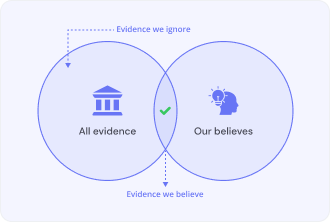
Bias – the bias refers to a partial attitude towards several sorts of acts like interviews, research or statistics.
For instance, a systematic investigation which it means that the researcher at one point can have influence the process consciously or unconsciously while doing the systematic investigation. This can make the researcher draw some faulty conclusion and may therefore nullify the research.
This therefore defines that biasing a research greatly affects the research process and thus compromises the integrity of the outcome into being misleading or at worse giving erroneous conclusions. Other than biasing the research design, it results in the invalidation of the conclusions as well as misleading interpretations.
Speaking about the interviews, a partial person works unfairly to another one. It always comes with tricky questions or risky opinion. The most watched interviews are with famous and authoritative people. It may turn in the ethical problem and discredit itself.
The impact of bias on branding
The ͏b͏i͏a͏s͏ throughout for the barrier therefore introduced consequently impacts the judgment. People with pre-established beliefs do not evaluate the information objectively but rather through their likes and dislikes.
They thereby being unaware of it themselves are weighing pros and cons on the basis of their own good not the facts. This cognitive process leads to unbalanced assessments and pushes the results of the thinking process to the already decided-up-on place.
The trust and credibility are eroded by this cumulative effect. The audiences, no matter if it is UX research, academic studies, or journalistic interviews, expect the impartial processes to provide them with accurate information. Bias creeping in these processes weakens the conclusions, thus making it hard for the stakeholders to base their decisions on the findings that are presented to them.