Architectural Design Definition
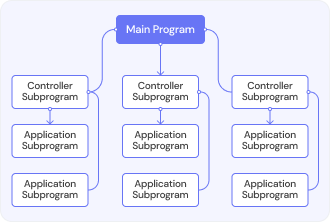
High-level, block-based architectural design is a blueprint that gives the structure and functionality of any software system. The system’s components, inputs, and outputs are connected in a way that a reliable framework for development is created by careful planning at this stage.
An architectural design that is clearly defined improves performance, enhances navigation, and facilitates scalability and maintenance. A flexible architecture allows the software to change with the future, thus lowering the risks and raising the chances of long-term success.
Key Components of Architectural Design
Architectural design focuses on the overall system structure, defining how components interact and how data flows between them. It often includes diagrams and models that represent the high-level structure, modules, and interfaces, ensuring that all parts work cohesively.
Benefits of Architectural Design
The architectural design is like a drawing, making it easy to see how the different software components would work, and this enables the teams to build systems that are good in terms of costs, adaptable, and easy in terms of management. When you plan ahead, you are able to dodge the traps laid down by common mistakes and make the system suitable for both present and future needs.
Improved performance. The quick interaction between the components leads to faster processing and quicker response times.
Scalability: With a flexible architecture, it is just a matter of time before the system is expanded or modified easily.
Maintenance and adaptability. The whole process from design to implementation is very smooth due to the clear design, so the updates, bug fixes, and new features integrations are simple.
Reduced risk. Contemplating early ensures that the only obstacles left are those that are less expensive and less time-consuming to fix during development.
In summary, the advantages listed above are the factors that give the software the qualities of a strong, trustworthy, and flexible product that can grow with the business and user needs.