How to Choose a Wearable App Development Company (2026)?

Collaborating with a wearable app development company enables businesses to create apps designed to improve health tracking and user interaction while reducing production costs. However, comparing options can be time-consuming and lead to pricey mismatches. So, we’ve reviewed and presented a selection of vendors worth your attention.
The experts of our mobile app development company in the UK have evaluated dozens of agencies to streamline your choosing process. Our curated list of firms that provide wearable app development services can help by showcasing their developers’ expertise, years of experience, case studies, and focus niches.
We have also prepared practical tips on the aspects to consider when selecting, compiled technical and legal questions to ask, and covered the main factors that can affect the budget during cooperation with wearable app development companies. So, let’s start.
List of wearable app development companies
Founded: 2017
Headquarters: London, UK
With a decade of expertise and 80+ in-house developers, Limeup is a wearable devices app development company with a strong presence in the market. We excel in delivering full-cycle products with sensor integration and BLE connectivity, as well as crafting healthcare-compliant solutions across watchOS/Wear OS, driving up to 3x user growth for our clients.

Limeup is proud of over 200 successful projects and 80+ international partnerships. Our talent pool is primarily mid- to senior-level experts, carefully selected to introduce innovative, scalable, and secure health and fitness applications that suit your needs.
Key services:
Industries:
- Healthcare
- Fintech
- Manufacturing
- Real Estate
- Edtech, and more.
Why choose us:
We focus on solving common wearable tech challenges for clients from startups to Fortune 500 companies. Our ability to integrate advanced sensor technologies, optimize performance for devices with low battery capacities, and keep full adherence to specific niche regulations, from IEC62304 to GDPR, results in a 95% client retention rate.

Select case studies:
- Limeup led the design and development process of a user-friendly mental health app, Mentalio. The privacy-focused architecture and intuitive interface have increased user engagement by 72% and reduced dropout rates by 58%.
- Raccoon.Recovery asked us to implement a healthcare portal that would allow patients to do rehabilitation exercises at home while sensors tracked their progress. As a result, clinical engagement grew up to three times compared to traditional models, and the client won a €700,000 growth grant.
- Discover more case studies.
Founded: 2017
Headquarters: Berlin, Germany
impltech is a wearable application development company with nearly 10 years of experience and a portfolio of more than 100 successful cooperations. They provide user-friendly interfaces that are convenient on tiny screens. impltech creates products that transform complex data into actionable insights while aligning with GDPR and HIPAA standards.
Key services:
Industries:
- Fintech
- Real Estate
- Healthcare
- Pharmaceutical and more.
Why choose them:
impltech builds apps compatible with Apple Health and Google Fit, integrating real-time sensor data from monitors, accelerometers, and GPS while using AI-driven analytics to reduce false alerts. The vendor focuses on balancing three core principles essential for wearable programs — convenience, simple integration, and energy efficiency.
Select case studies:
- impltech led MedFlux through the design and development of a healthcare platform and mobile app. Their solution simplified booking appointments and cut down waiting times, providing medical centers with modern interfaces and better optimization.
- impltech built a powerful HR digitalization platform for Wahler that substituted manual operations with cohesive project management and automated education. This approach allowed the client to reduce consulting expenses by 80%.
- Check more project highlights.

Vention
Founded: 2002
Headquarters: New York, NY, USA
Vention ranks among the top wearable app developers with offices located across both Europe and the US. The company guides its clients through every step — from idea to a fully deployed product, which perfectly reflects businesses that require customized, scalable solutions.
Key services: Wearable software development, web and mobile development, QA, DevOps.
Industries: Healthcare, fintech, edtech, automotive, proptech.
Why choose them:
Vention specializes in providing wearable app software with the highest level of precision and compliance to craft top products for smart watches, VR/AR devices, etc.
Select case studies:
Vention has an organized portfolio of collaborations with healthcare and fitness brands, resulting in the creation of efficient cross-platform wearable apps for both mid-sized and enterprise-grade firms.
Intellectsoft
Founded: 2007
Headquarters: New York, NY, USA
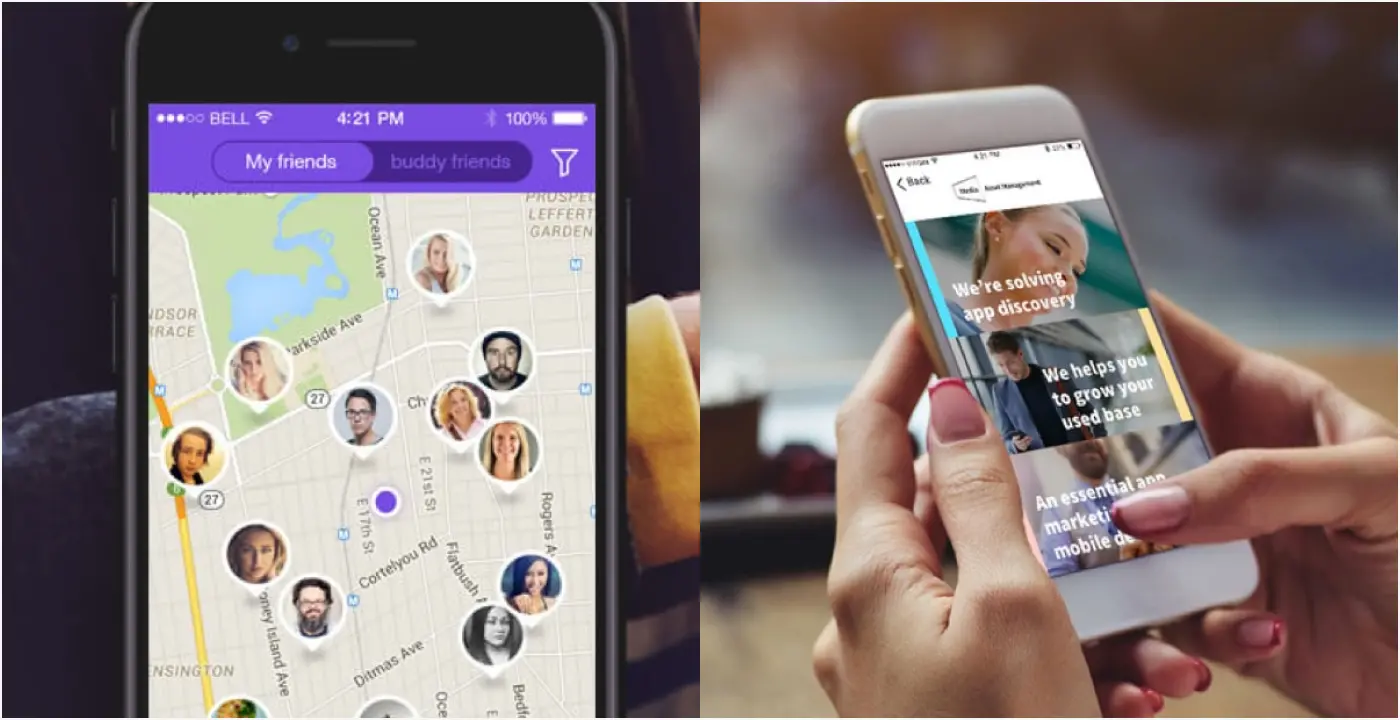
Intellectsoft is a wearable application development firm led by CEO Olga Kavunenko, Head of the US office Artem Kozel, and Board Member Alex Skalaban. The agency was honored as a Top App Development Company by the Business of Apps 2026.
Key services: Enterprise software development, mobile app development, IT consulting.
Industries: Fintech, healthcare & wellbeing, construction & automobile.
Why choose them:
Intellectsoft develops compliant, user-focused wearable applications aligned with global regulations such as ISO 27001, GDPR, HIPAA, PSD2, and AML. Their solutions have a strong focus on improving functionality and securing sensitive user data.
Select case studies:
Their case studies show cooperative results with such partners as high-speed railway pioneer Eurostar, AI-powered streaming platform Skroote, health tracking mobile product XMed, etc.
Cubix
Founded: 2008
Headquarters: Manchester, United Kingdom
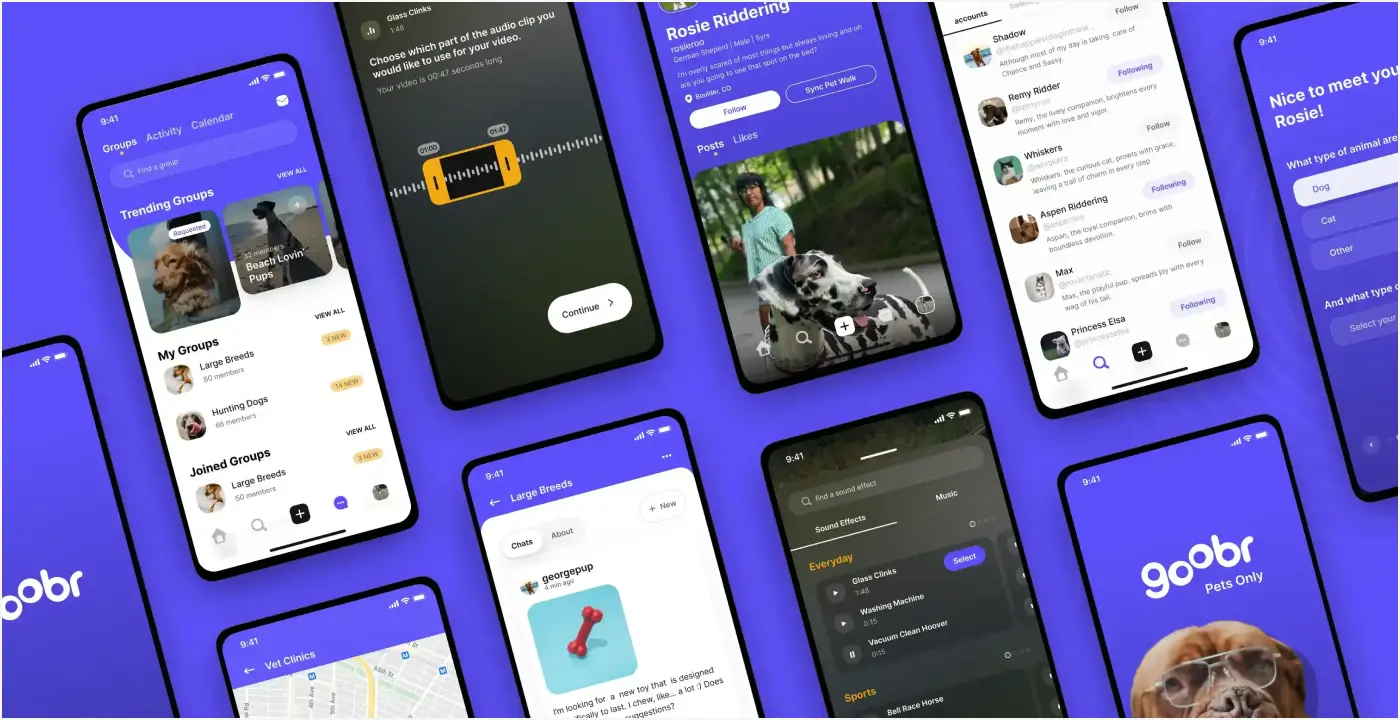
Cubix is a top wearable app development company with a history of Microsoft Certified Consulting, AWS, Google, and Adobe partnerships. They create high-impact wearable applications following an agile approach.
The team is dedicated to solving real business problems by incorporating innovation with profound technical knowledge. “That is where the true value lies,” says the CEO, Salman Lakhani.
Key services: Mobile app, software development, blockchain development, CRM development.
Industries: Automotive, eCommerce, logistics, finance.
Why choose them:
Cubix develops apps on Apple Watch, Fitbit, Samsung Gear, and other wearables and has a solid AR/VR inclination. Carole Bardasano, Digital Marketing at Swatch Group, US, has praised their cross-functional work and punctuality during their cooperation.
Select case studies:
Their portfolio highlights the exceptional software for interactive fitness devices, blockchain platforms, and edtech projects, which you may observe on the website.
Finanteq
Founded: 2008
Headquarters: Lublin, Poland
Searching for an Android wearable app development company to implement your banking product? With 17+ years in fintech, Finanteq is a two-time award winner of the Finovate New York and Citi Mobile Challenge competitions, with proficiency in developing top-notch solutions for banks around the world.
Key services: Mobile app development, no-code solutions, wearable app development.
Industries: Retail banking and corporate banking.
Why choose them:
Finanteq cooperates with major banks, such as PKO Bank Polski, BNP Paribas, Santander, Danske Bank, UniCredit, National Bank of Kuwait, Arab Bank, and mBank, showcasing excellent skills in fintech and smartwatch compatibility.
Select case studies:
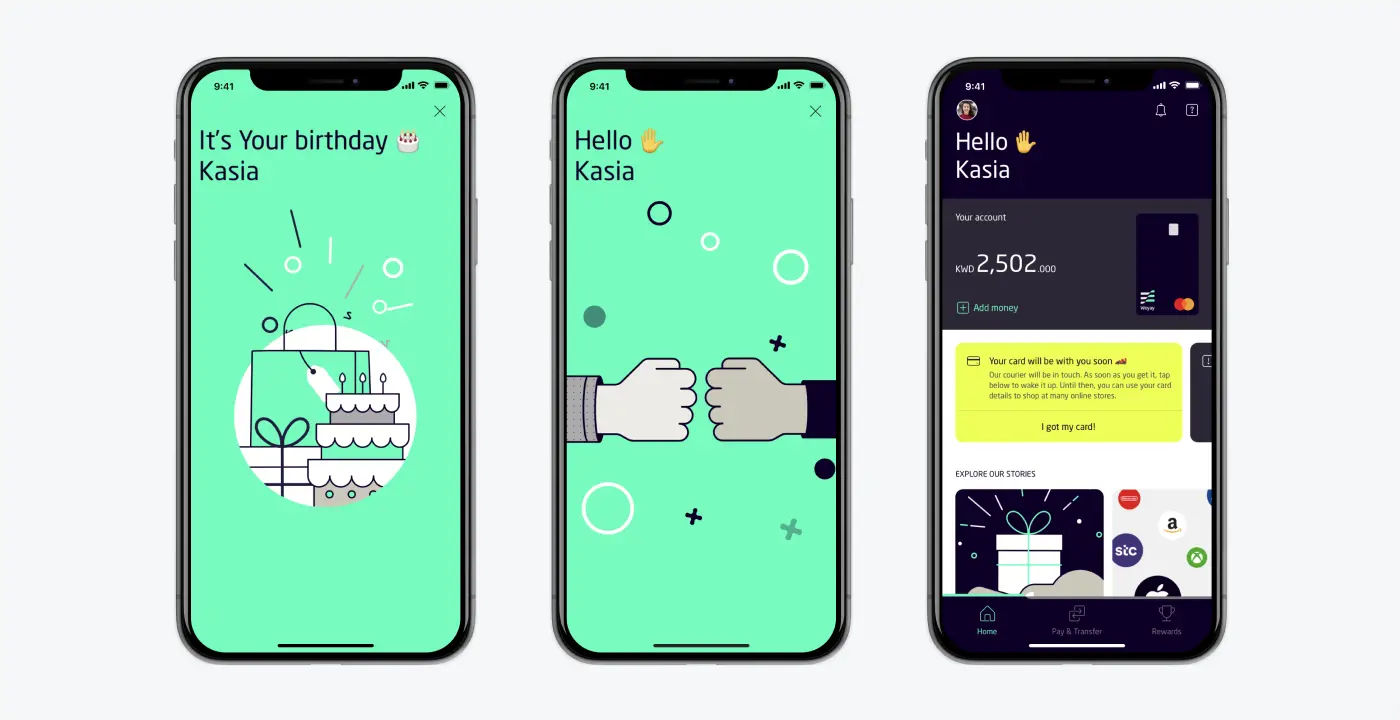
Finanteq’s case study section illustrates a range of financial and banking iWatch and Wear OS-based apps for such corporations as Weyay Bank, mBank, Arab Bank, and others.
Yojji LTD
Founded: 2017
Headquarters: Amsterdam, Netherlands
A Ukrainian-based software company with expertise in delivering wearable device app development services. With offices in Austin, US, London, UK, and Lviv, UA, Yojji LTD has a track record of diverse international collaborations.
Focusing on startups and scaleups, they guide every client through all the stages with precision and dedication. Led by CEO Artem Makarovsky, Yojji is proud of providing end-to-end development solutions to businesses.
Key services: Web & mobile development, software testing, digital transformation.
Industries: Healthcare, fintech, social media, advocacy.
Why choose them:
Yojji LTD blends global vision and local understanding. By taking responsibility for clients’ growth, their team ensures products align with the leading-edge practices of today.
Select case studies:
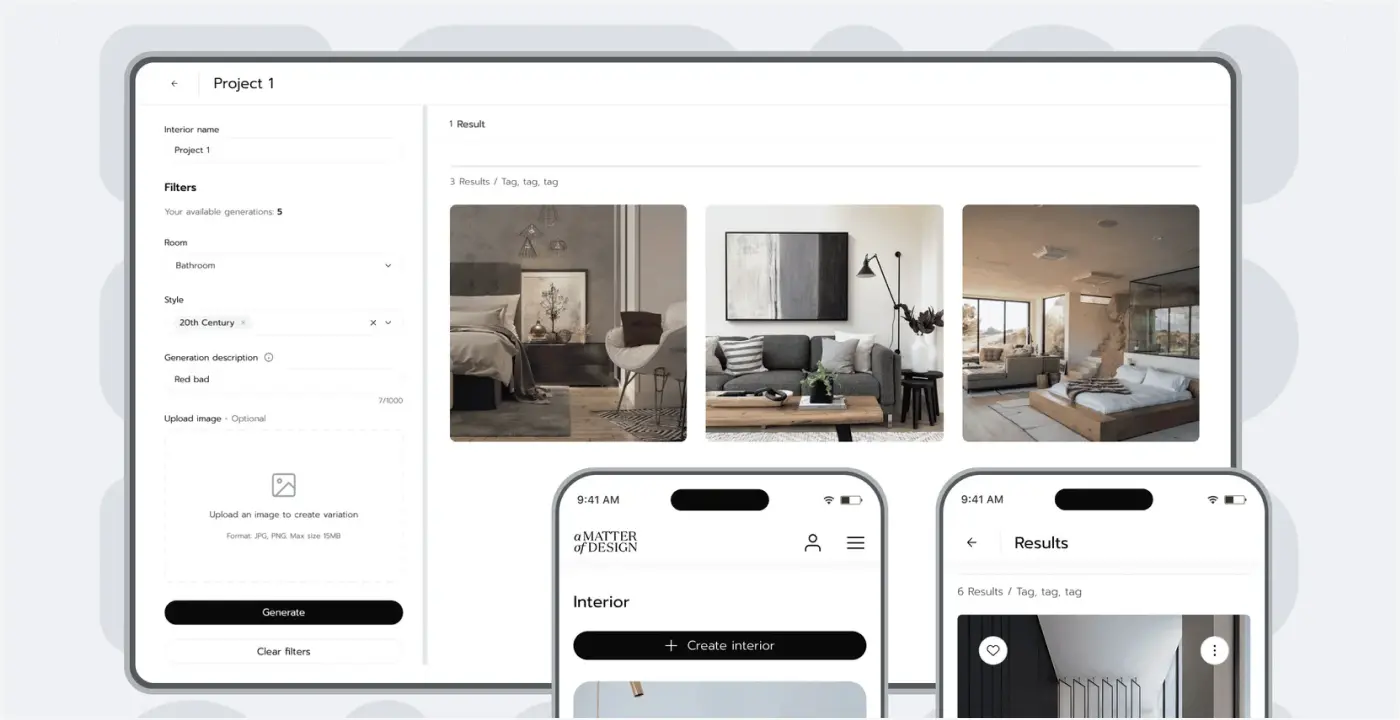
The vendor has a separate page dedicated to their collection of works, showcasing the most successful projects. Visitors can check it out.
JetBase
Founded: 2014
Headquarters: Sheridan, WY, US
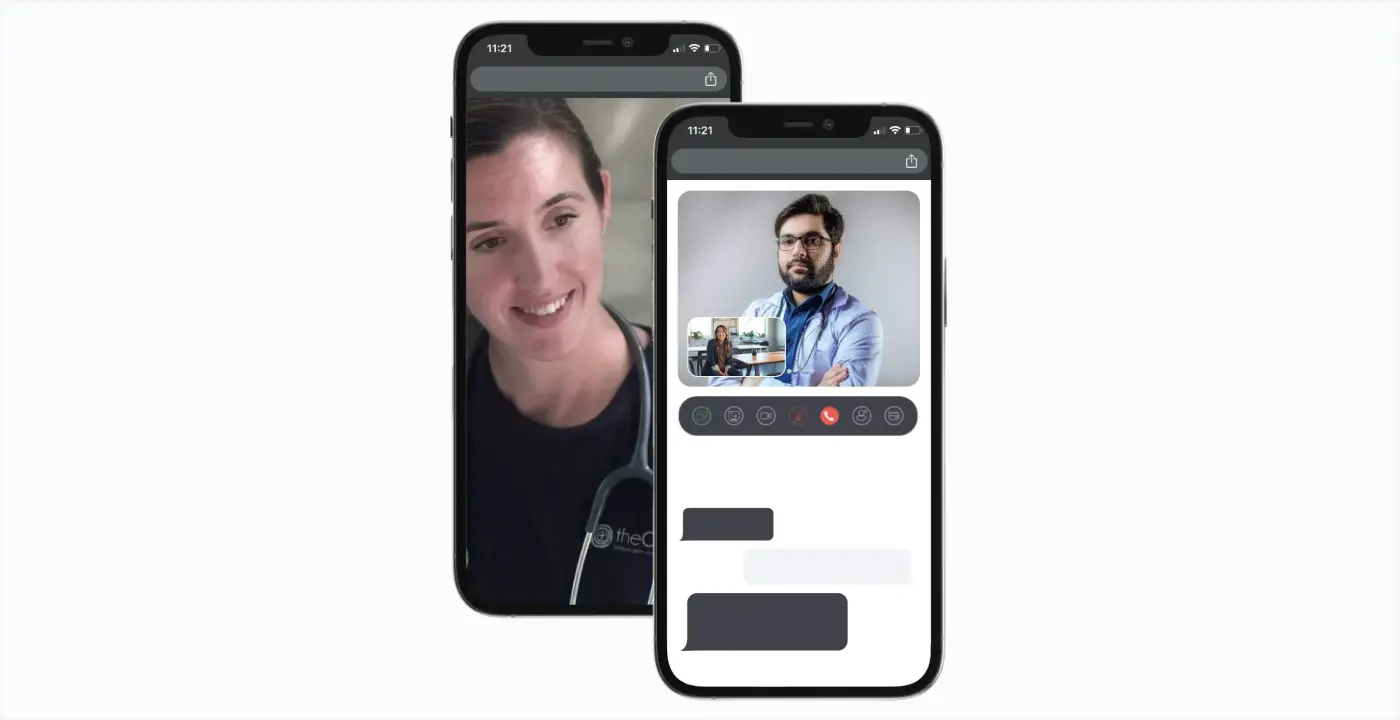
Jetbase is a wearable mobile app development company that combines creative design and technical implementation, walking each case through the planning stage to a launch with personalized and committed project support.
Key services: Custom software development, mobile & wearable app development, UI/UX.
Industries: Retail, healthcare, eCommerce, wellness.
Why choose them:
JetBase.IO specializes in Apple Vision Pro apps and wearable technology creation for both startups and well-established companies. Their cross-functional approach ensures compatibility with any device.
Select case studies:
JetBase’s portfolio of projects presents mixed-reality retail applications and immersive health and training apps that are linked to wearable gadgets.
Many Hats
Founded: 2018
Headquarters: Burnaby, BC, Canada
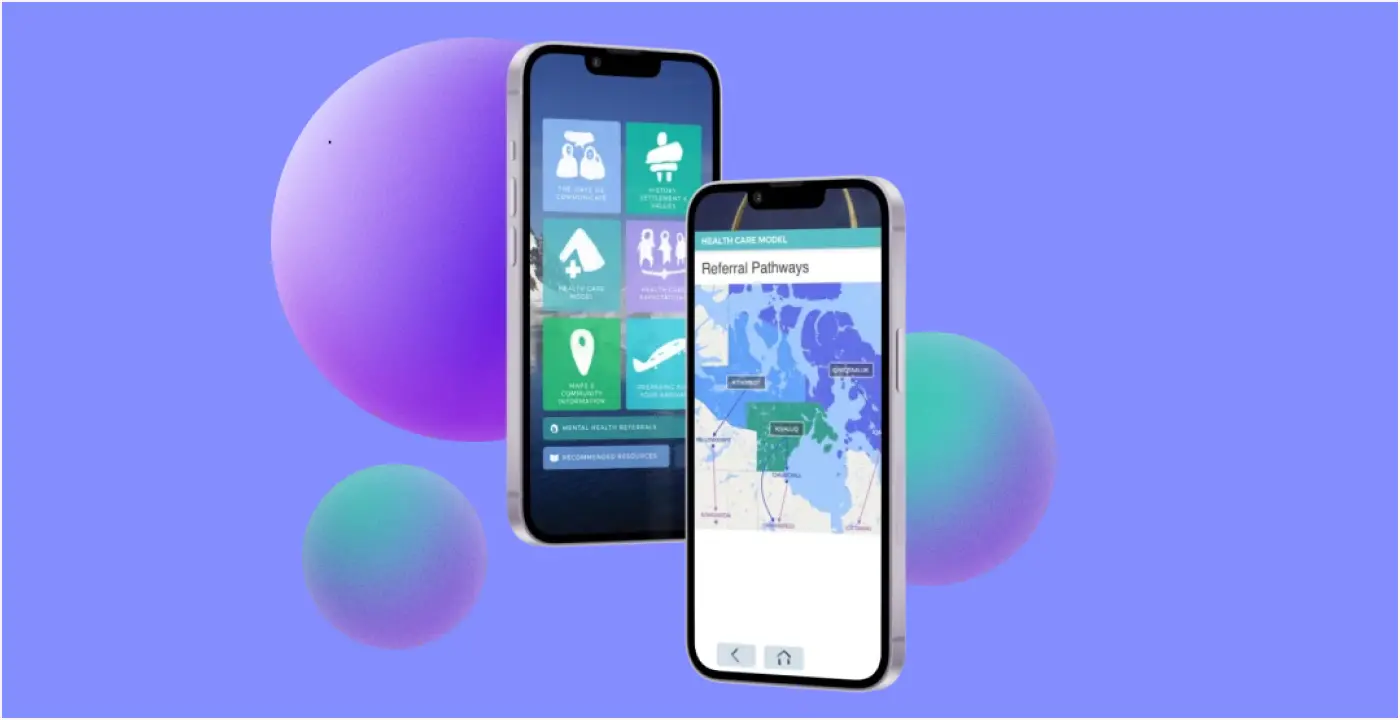
Many Hats has 5+ years of experience in delivering wearable devices app development services and over 50 cases of partnership. Founded by Michael and Evan Despault, the firm balances the constant pursuit of success and a problem-solving approach.
Key services: Mobile and web application development, DevOps, AI implementation.
Industries: E-learning, healthcare, gaming.
Why choose them:
Many Hats is renowned for its innovative and collaborative approach to supporting clients in designing engaging cross-device experiences and offering flexible creation cycles.
Select case studies:
Meditation and gaming apps are a part of their success stories, each developed with a solid focus on the simple integration and seamless user interaction.
Suffescom Solutions
Founded: 2011
Headquarters: Middletown, DE, US
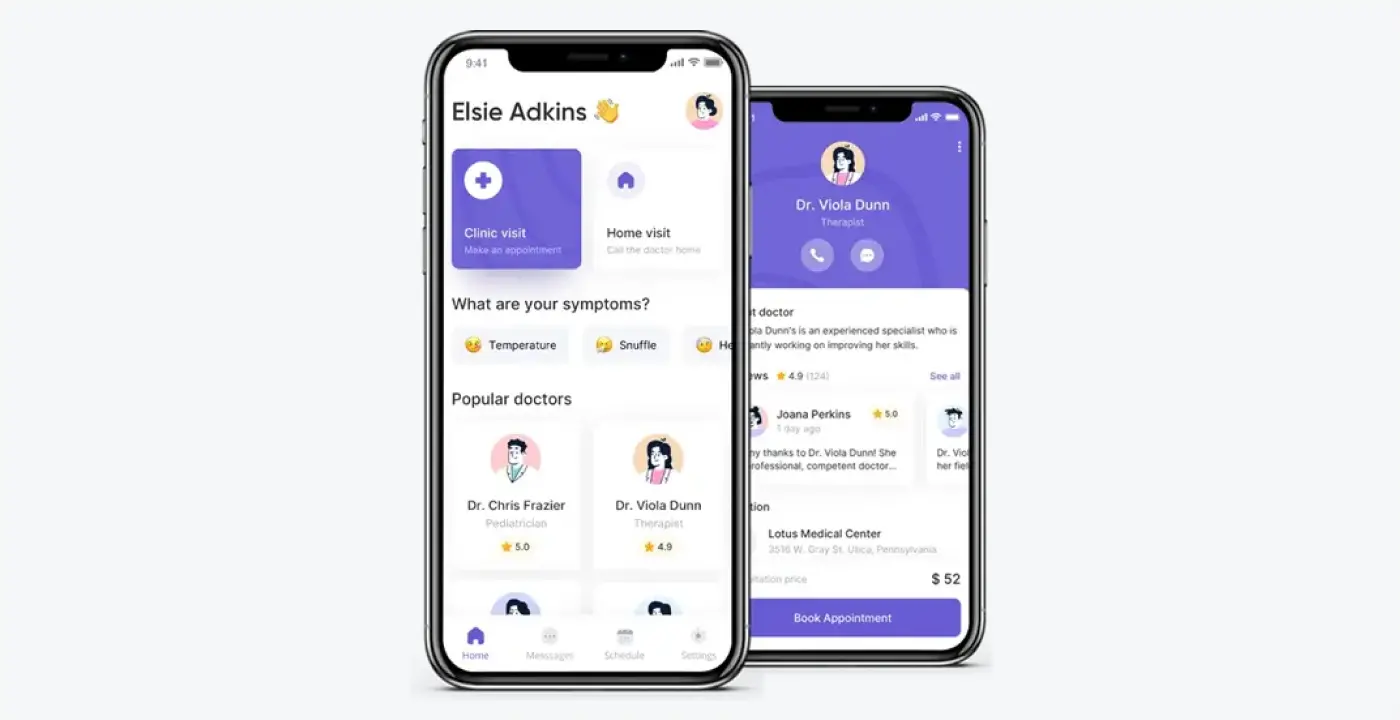
Those who are looking for the best wearable app development company without breaking the bank can also consider Suffescom Solutions. With mastery across 40+ technologies, Suffescom is awarded over 30 industry honours thanks to their secure, scalable, and user-centric products.
Key services: Wearable app development, mobile and web development, blockchain development.
Industries: Cryptocurrency, eCommerce, healthcare, hospitality.
Why choose them:
This agency explores and pursues innovative digital possibilities. They have positioned themselves on the international market as industry innovators, aimed at overcoming challenges and achieving high-performance results.
Select case studies:
Their case studies showcase expertise in healthcare tracking apps and blockchain platforms for wearables. For example, their digital currency exchange app, StealthEx, has achieved a 4.6-star rating and more than 1,000 downloads on marketplaces.
What is a wearable app development company?
It is a company that specializes in the development of wearable technology software products. These agencies create and launch applications that can operate on devices worn on the body, including smartwatches, health trackers, AR glasses and medical devices.
A wearable device app development company emphasizes combining the hardware capabilities, such as sensors, GPS, and health trackers, with easy-to-use applications. Their focus on performance, connectivity and data security is aimed at a seamless user experience.
Now, we are going to present the major types of apps for wearables so that you can find the most appropriate one and define your needs more clearly before discussing them with a vendor.
Types of wearable devices and apps designed for them
Nowadays, the market is full of a variety of smart devices, as well as programs tailored to each of them. These gadgets are used in numerous sectors such as healthcare, sports, entertainment and enterprise.
There is also a breakdown under categories of wearables and types of apps suitable for them. Thus, the top firms we have listed can craft solutions for these devices:

— Smartwatches: Focus on tracking health measures (such as heart rate, oxygen level, sleep analysis), also enabling instant notifications, payment possibilities, communication features, and fitness coaching.
— Fitness trackers: Aimed mainly at progress monitoring and cover such functions as tracking the number of calories, exercise improvement, sleep patterns and step count.
— AR/VR glasses: Designed by lots of wearable device app development companies primarily for supporting the AR games, but are also used for industry training, navigation, remote help, and other experiences.
— Smart clothing: Comes with the in-built sensor applications that connect to a mobile app and share data about your posture, muscle activity and other physical or environmental conditions.
— Medical wearables: Include those with glucose monitors, ECG patches and blood pressure devices. Leading clinics run their own apps for such wearables, often partnering with a healthcare software development company in the UK or globally.
— Hearables: Are presented as small earbuds and used for fitness coaching, audio control, hearing enhancement, language translation, and noise reduction.
— Industrial wearables: Range from smartwatches to industrial headsets used in warehousing, manufacturing and field services, with apps designed for inventory management, task guidance and safety compliance.
Next, we recommend proceeding to the vendor comparison practices overview in order to pick an effective strategy for determining if your go-to service provider has enough skills and knowledge to build a sophisticated application for wearable devices.
How to compare wearable app development partners?
Selecting the correct partner among the best wearable app development companies goes far beyond knowing their main responsibilities and reviewing portfolios. Businesses should conduct a strategic analysis of capabilities that will directly influence the success of their product. We have outlined the key comparison factors, drawing on the experience of our specialists.

Evaluating experience
Assessing previous work done is a must when choosing a vendor for your next smart gadget application development. Base your evaluation on the familiarity with a device type, as it indicates whether the wearable app developers at your go-to agency have dealt with similar interface limitations.
For example, smartwatches and fitness trackers need glanceable layouts with minimal input, brief user interactions, and seamless taps/swipes navigation. Conversely, teams with no experience with WatchOS/Wear OS-based apps often replicate mobile UI and logic, leading to congested screens and inefficient interactions.
Support your comparison with an assessment of their problem-solving and innovation adoption capabilities by following these questions:
- Have they already addressed technical difficulties related to your project?
- Are they capable of multi-device synchronization and cross-platform support?
- Do they have enough expertise in sensor integration?
- How well can they handle the app performance optimization?
- Can they boast of implementing modern features in previous apps?
The next step, comparing their technology stack, will be much more precise with a clear understanding of their practical experience.
Comparing technology stacks
When comparing partners for smart app creation, assess their core programming languages and frameworks.
That’s how Swift is best suited for designing applications within the iOS ecosystem, when high-level CoreMotion and WatchKit integrations are needed. Kotlin, on the other hand, supports Wear OS and Android-based wearables, providing scalability for products that run on multiple Android devices and a stable integration with Google APIs.
In case you want an app that fits both Apple and Android bases, cross-platform development frameworks such as Flutter or React Native can be used. It offers a unified codebase and faster delivery, but it can still be poor at hardware-level integration support.
Portfolio depth
Besides analyzing the technology specialization, you can also review their case study section to evaluate how well they’ve dealt with previous assignments.
Pay attention to the company’s industry focus. For instance, crews experienced in healthcare apps should be proficient in:
- FHIR standards;
- BLE protocols;
- HIPAA compliance;
- FDA regulation;
- and CE marking.
On the other hand, agencies with expertise in designing fitness bands are likely qualified in interface gamification principles and cross-device integration in order to ensure engaging user experiences and seamless connectivity across different gadgets.
Communication quality
The success of cooperation can be predicted not only by the firm’s tech stack but also by the communication style. During project negotiations, compare how various providers conduct initial talks. Are they taking an interest in your business objectives, target audience and KPIs? This might be a sign of a dedicated partner oriented at profitable outcomes.
Some vendors also mention their cooperation style in their portfolio highlights. While describing the work stages, the agency can share its usual flow on the details agreement, reviewing and introducing updates in collaboration with stakeholders. Once again, companies with detailed case studies might be more reliable than those presenting the client’s name and project type.
You can assess their responsiveness across various communication channels as well. During emails or video calls, compare how promptly different teams reply and how clearly they explain technical concepts. A service provider that frequently disappears from contact or gives incomplete explanations can be an early indicator of an unreliable partnership.
And if you want to expand beyond your wearable devices, check our guide on the most well-established mobile app development companies in the UK.
How to select a wearable app development agency?
According to the Market Report Analytics prediction on the growth of wearable smart gadgets, the Compound Annual Growth Rate (CAGR) of approximately 15% expected for the forecast period (2026-2033).
Therefore, the number of companies entering the sphere also grows, and it becomes even more crucial to select the partners that can be trusted. That’s why case studies, team composition, feedback, and cooperation terms review are especially valuable. Here are tips for effective evaluation.

Check experience with sensor data
Sensor skills evaluation is an imperative step if you’re looking for a partner who can build a wearable app with activity tracking or gesture recognition. Strong knowledge of technical specifics, as well as skills in integration and support of such features — these are the requirements that can identify whether your potential companion is an amateur or a pro.
For instance, if you’re about to start an AR gaming project, concentrate on checking out the familiarity with frameworks and libraries, such as Unity or Unreal Engine, designed especially for headset-based apps. Plus, ensure your vendor has dealt with sensor and motion tracking libraries, including ARKit, ARCore and OpenXR.
Evaluate team structure
The talent pool evaluation can forecast if the creation and implementation of your next wearable application will be smooth or not. Talking about custom end-to-end solutions, the agency should at least cover the roles of:
- designers;
- programmers
- QA specialists,
- and project managers.
Having data engineers, DevOps experts, and security specialists is another “what to look for” aspect when selecting a wearable app development partner, as these ones can minimize the hassles in data integration, regulation compliance and update handling. Remember, a clear and organized team structure can significantly eliminate the risks of delays and misunderstandings.
Verify client testimonials
Client reviews are critical information on the agency’s operation and delivery. In addition to checking feedback on the main page of the vendor, find testimonials on platforms such as GoodFirms, Clutch, or Google Maps, and analyze them regarding the communication experience, project management approaches, and the quality of delivered product.
Select those vendors with a fulfilled history of testimonials and assess the descriptive nature of the reviews. Poorly explained reviews or too flattering comments can be a sign of not authenticated ones, so search for the golden balance.
This way, you can be guaranteed that you will find a partner who can deliver on their expectations, in a professional and reliable manner, with the goal of serving their clients best.
Assess contract transparency
Once the scope of the wearable app development firms is shortlisted, proceed to the cooperation conditions. Reviewing them is an essential stage required for a clear production and post-launch process outlining. Look for clearly stated aspects in the contract, such as:
- explicit deliverables and timelines;
- payment schedules;
- intellectual property rights;
- warranty and maintenance after release.
Trace the order of corrections and unforeseen delays at the initial stage of your cooperation, as they may have a great impact on the project scope and costs. Contract transparency helps in decreasing the chances of misunderstandings and provides grounds for accountability, while building viable long-term relationships aimed at the success of the wearable app.
With hanging this, let’s move to another core principle you should better consider.
Common red flags when choosing a vendor
We have also decided to collect the most common indicators of unprofessionalism that you should immediately notice when picking a wearable tech expert. The following are our six major red flags to prevent.

🚩 Absence of related experience: Wearable app development agencies that do not have a track record of projects or apps in the industry could have problems meeting certain technical or regulatory standards.
🚩 No structured development cycle: The lack of an established plan or a proven approach, such as Agile or Scrum, may cause time slippage, scope creep, or quality problems.
🚩 Neglecting security standards: The neglect of data privacy from the agency’s side (especially this applies to the healthcare app development companies) poses a huge risk for your company in terms of material compensation or even lawsuits.
🚩 Too low pricing or blurred timeframes: When a deal is too cheap or overpromising (it sounds like, “We’ll build an app for you in two days”), there is a chance of a low-quality outcome or some extra charges.
🚩 Lack of post-launch support: No maintenance, update integration, or troubleshooting services will leave you without support when the project rolls into a product.
Avoiding these red flags ensures you partner with a reliable, skilled provider capable of delivering a high-quality wearable app aligned with your business needs.
How much do wearable app development services cost?
The other core factor that plays one of the strongest roles when you want to hire an app developer is the price. To set a budget precisely and include any potential extra charges, we recommend a thorough review of this section.
Average cost by region
One of the main reasons why rates can vary significantly is the location. Thus, to plan your project budget, it is better to compare the prices for wearable app programmers across regions:
| Region | Hourly rate | Brief description |
| United States | $100 – $150 |
|
| United Kingdom | $100 – $140 |
|
| Eastern Europe | $50 – $70 |
|
| South Asia | $20 – $50 |
|
These ranges reflect typical market rates, though individual companies may price above or below these benchmarks based on expertise and reputation.
For a clearer understanding of how much an application for wearables can cost, we have made a breakdown depending on the complexity of the project.
| The complexity level | Cost | Features explained |
| Basic application | $10,000 – $20,000 | A simple tracker with simple UI and push notifications. |
| Mid-complexity app | $25,000 – $50,000 | A mobile-sync solution with basic rates monitoring & secure data handling. |
| Advanced application | $60,000 – $150,000 | AI-powered products with multi-sensor connectivity and regulation compliance. |
Factors that influence app project budget
There are also a number of factors that affect the ultimate cost of developing wearable apps.

- Platform coverage: this factor determines whether you need a single ecosystem (watchOS or Wear OS) or multiple platforms simultaneously; therefore, multi-platform projects require significantly more resources.
- Feature complexity: this factor can escalate costs dramatically. The basic fitness tracking apps cost far less than applications requiring real-time health monitoring, AI-powered insights, or complex data visualization.
- Integration depth: depending on the number of sensors used, the custom software requirements, and the level of Bluetooth connectivity required for your particular wearable device, the hardware integration is another significant aspect of cost formation.
- Back-end challenges: in order to facilitate communication between wearables and companion mobile apps, back-end infrastructure requirements include implementing robust database architecture, cloud server setup, API development and data synchronization systems.
- Compliance alignment: projects that require FDA approval procedures, medical-grade data encryption, HIPAA compliance, or other regulatory certifications may incur additional costs.
Recognizing these factors helps businesses plan a realistic budget for their wearable app development and select the right partners to meet both technical needs and financial expectations.
What to ask a wearable device app development company?
Interviewing is a decisive stage in starting any partnership, and web development cooperation is no exception. You have to prepare thoroughly to cover every aspect, so that there is no room left for inconsistencies or unexpected issues.
In this section, we’ve gathered the most practical questions you should ask your smart gadget app experts, with a short description for each. We have also divided them into useful topics, so you can conduct your interview gradually and not miss a thing.

Essential technical questions
The global wearable device market is projected to reach 645.7 million units by 2028, creating significant opportunities for businesses to engage users through smartwatch and fitness band applications. But to succeed in selecting the tech-savvy ally, here’s what to ask:
— What wearable platforms and companion ecosystems have you used?
A powerful team will have knowledge of native SDKs, languages and cross-platform tools that can be used to work with wearables. Do not hesitate to ask for concrete examples of use.
— How do you manage data provided by health sensors?
Check their familiarity with HealthKit, Google Fit, Bluetooth LE, or custom APIs and verify their adherence to accurate data practices.
— Do you use frameworks like Flutter to build wearable apps?
A comprehensive response will explain trade-offs in the performance, the frequency of updates, and the feature parity between the iOS and Android versions.
Questions about the project timeline and communication
Pitfalls in the work process can be avoided through clear communication and realistic expectations. These questions define the workflow management and engagement practices of the development agency.
— How does the planning of developing a feature-rich app look in your team?
Experience can be estimated by browsing the case studies of similar projects. Be wary of overly optimistic schedules that ignore hardware testing cycles and app store reviews.
— How do you organize sprints, communicate and handle feedback?
The two-week sprint cadence is the most common among the agencies. Using tools like Slack or Jira, they are able to report on functionality, gather feedback and enlist required updates during each iteration.
— What is your response to unforeseen scope changes and technical issues?
Wearable projects often face unexpected constraints. The company’s change management process must be flexible with timeline and budget commitments being safeguarded.
Legal and data security considerations
Wearable apps that process personal data can not play with users’ security or compliance. These questions guarantee regulatory knowledge and the right security practices.
— Have you worked with HIPAA, GDPR, or other compliance requirements?
Standard legal compliance necessitates some technical implementations as a necessary addition to standard development. Ask to provide a report on their best practices.
— How do you handle encryption for data at rest and in transit?
Wearables handle sensitive information that needs a strong encryption algorithm. Businesses ought to outline their standards of encryption methods, key management and cloud storage.
— How will the property rights be formalized?
The ownership of IP should be determined clearly, so there will be no disputes over the code and designs in the future. Make sure that all rights are conveyed to you from the very start.
Looking for wearable app developers?
We have covered all the factors essential to make a quick and successful choice of a wearable app creation agency. With a list of top companies on the global market, a clear understanding of their main focus and defined signs that indicate both professionalism and the potential faults of the partner, you will choose the best fit for your business needs.
If your choice has fallen on our company, Limeup, we will happily discuss all the details of your future or already existing wearable app project. From the initial call with our support and price agreement to the agenda overview and technology use discussion, we’ll ensure transparency on every step.
If innovative approaches, precise deadlines and crystal-clear pricing are what you’re looking for, then schedule a call right now, and let’s take the first step forward to your next thriving product.
FAQ (Choosing & Comparing)
How do I know if a wearable mobile app development vendor is reliable?
A trustworthy wearable application supplier is transparent, responsive, and has experience with similar products. Tips on choosing a reliable vendor include reviewing case studies, checking customer testimonials on Clutch or GoodFirms and seeking info upon adherence to standards such as HIPAA or GDPR.
Which criteria matter most when comparing wearable tech developers?
The most significant factors are relevant portfolio samples, the composition of the team, a suitable technology stack (Swift, Kotlin, Flutter), and compliance with the data regulations.
You can also measure responsiveness, communication approach, and project management practices of the team. A pro tip is to focus on quantifiable performance rather than on ambiguous statements in order to make a partnership that serves.
How to find an affordable wearable app firm without sacrificing quality?
Give a priority to medium-sized Eastern European or UK agencies with strong technical skills at affordable prices. Search for firms with transparent rates and clear case examples in your niche. Never go too cheap — strike a balance between costs and experience, the quality of communication, and after-sales services to ensure ongoing support after release.
How long does it take to build a wearable app with a professional agency?
The process usually takes between 3–12 months, depending on the app’s complexity, features, and coverage. Simple fitness-tracking applications can be implemented within 12 weeks, whereas complex health or AR-enabled products will take longer to integrate hardware, test, and comply with regulatory requirements.
You can opt for agencies that use agile methodology for a quicker, more manageable development process.