Decision Coverage Definition
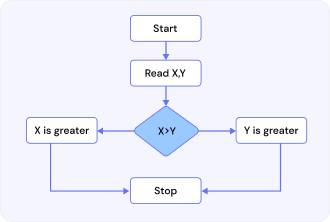
Decision Coverage is one of the structural or design-based testing techniques in the domain of software engineering. In this technique, the designing of code is made under such guidelines that every possible branch/decision point of source code shall be reached and exercised in at least one flow of execution.
The coverage metric is pretty important in verifying the effectiveness and extent of test cases prepared by a tester to identify and correct potential errors found in each conditional statement of the application.
To ensure that this criterion is satisfied, tests made up ensure the coverage of all possible decisions’ outcomes of the decision points. It just finds the bugs running loose from most other methods of testing, like the statement coverage test that ensures that all lines of code have been used but it does not necessarily mean that all paths have been examined.
For this reason, such an approach to testing would be very useful in critical systems, where software has to work as intended under all conditions and inputs; otherwise, the failure could easily prove disastrous.
Examples of decision coverage in practice
Coverage of decisions or decision point testing checks if the true and false outcomes of every decision in the program are executed. Take a login function that first verifies if a username is present and then checks if the password is valid, for instance. Here are the real-world examples.
In a healthcare booking system, the designers have determined a decision “good insurance of the patient and free slot for the appointment.” The testers take this design to test situations where both criteria satisfy the conditions, hence booking is made, and where one condition fails, appropriate rejection messages are triggered.
In the case of a banking app, the design has a scenario “if withdrawal amount is within daily limit.” To cover the decision taken, it is necessary to apply amounts that are both within and over the limit, thus proving that the system certainly approves or denies the transactions based on the architecture that has been documented.
In the case of quality control software in the manufacturing industry, a rule like “if product measurements are within tolerance” is applied by the designers. The decision coverage guarantees that the testers do not only check the items that are approved and the ones that are not, but also the system that effectively classifies the products to the right shipping or rejection area in the way it is supposed to.