Advanced Prototype Definition
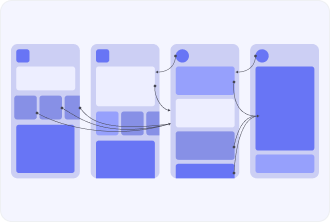
Advanced prototype or high-fidelity prototype is the term used to describe the near-final version of a digital product or system. Design, function, and user experience are such that they are almost indistinguishable from the final solution. The advanced prototype showcases a real product and not merely a concept.
Advanced prototypes come into play during the final stages of product development, when the basic requirements, flows, and visual direction have been validated.
Purpose of an Advanced Prototype
The primary objective of an advanced prototype is to achieve realistic validation. Thus, the stakeholders and the end users can interact with the product just as they would after its launch; this in turn leads to more precise feedback and deeper insights.
- Common practices for such prototypes include:
- User testing and usability validation
- Stakeholder reviews and approvals
- Demonstrating complex interactions and logic
- Identifying UX issues before development begins
Key Characteristics
The advanced prototypes are characterized by their depth and realism, and this is what sets them apart:
- Pixel-perfect UI aligned with brand guidelines
- Interactive elements, animations, and transitions
- Simulated real data and user flows
- Clickable navigation that reflects real behavior
Advanced Prototype vs. Other Prototypes
When contrasted with low- or mid-fidelity prototypes, advanced prototypes help to eliminate pitfalls associated with uncertainties. What were once mere ideas in presentations have transformed into living and breathing products. Moreover, the process of making decisions becomes quicker, risks get smaller, and development teams receive a clear blueprint instead of mere assumptions.